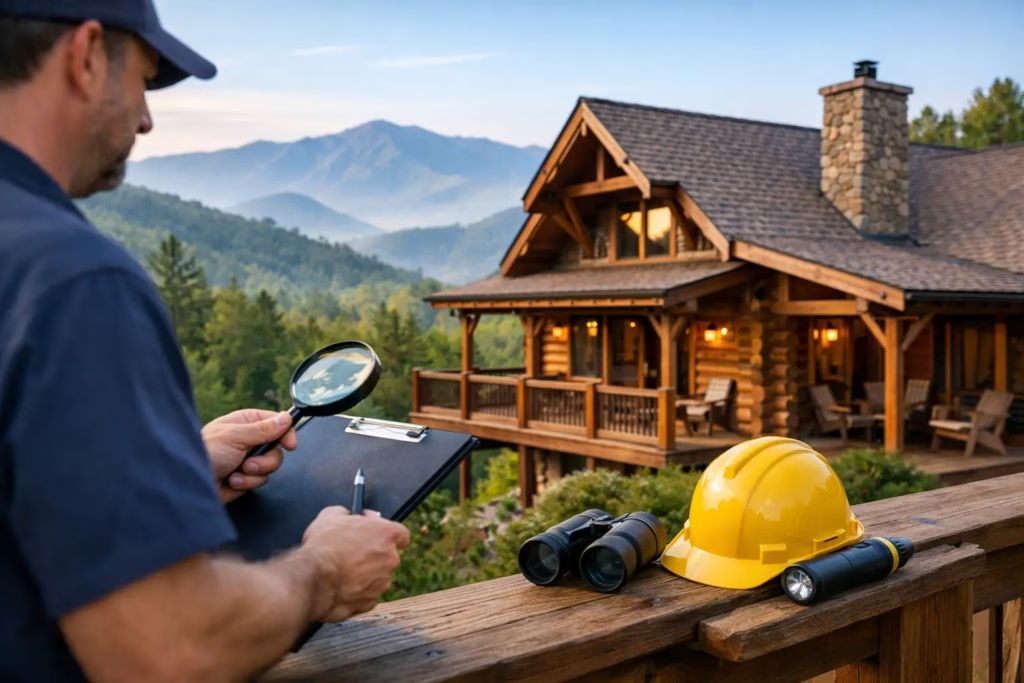
A mountain view, stone fireplace, hot tub, and strong gross rental history can make a cabin feel like an easy decision. A thorough cabin inspection guide brings the decision back to the details that protect your purchase: water management, road access, utilities, structural condition, and the systems guests will rely on every week of the year.
In Sevier County, a cabin can be both a personal retreat and a turnkey STR investment. That dual purpose raises the stakes. A property may look excellent in listing photos and still need a costly retaining-wall repair, septic work, roof replacement, or driveway improvement. The right inspection process helps buyers separate normal mountain-home maintenance from risks that affect pricing, financing, insurance, occupancy, and ROI.
Start With a Cabin-Specific Inspection Team
A general home inspection is necessary, but mountain cabins call for professionals who understand log construction, steep terrain, private utilities, and vacation-rental wear. Ask whether the inspector regularly evaluates cabins in Gatlinburg, Pigeon Forge, Sevierville, Wears Valley, and the surrounding areas. Experience matters when a property has a crawlspace built into a slope, a private well, or a narrow shared road.
For many purchases, the general inspector should be the starting point, not the only opinion. Depending on what is found, buyers may need a septic inspection, well-water test, chimney evaluation, roof inspection, HVAC review, pest inspection, or a structural engineer. A log-home specialist is especially worthwhile when there are visible checks, staining, insect activity, soft wood, settlement concerns, or questions about prior repairs.
Do not treat a clean inspection report as a guarantee that a cabin is maintenance-free. Inspections are visual and limited by access. Snow, heavy rain, stored owner items, finished wall surfaces, and locked utility rooms can conceal conditions. A good inspector identifies what is visible, explains the likely consequence, and tells you when further evaluation is appropriate.
The Cabin Inspection Guide: What Deserves Extra Attention
Logs, siding, and exterior wood
Cabins face constant exposure to sun, rain, humidity, insects, and seasonal temperature changes. Inspectors should look closely at log walls, trim, decks, railings, fascia, and support posts for moisture damage, decay, wood-boring insects, failed caulking, and gaps around windows and doors.
Log checking – the natural cracking that develops as wood dries – is common and not automatically a structural problem. The concern is whether cracks hold water, permit insect entry, or expose untreated wood. Ask when the cabin was last stained and sealed, what products were used, and whether the work was completed by a qualified contractor. Deferred exterior maintenance can become a substantial expense on a large multi-level rental cabin.
Roof, gutters, and drainage
Water is one of the most expensive threats to a mountain property. Inspect the roof covering, flashing around chimneys and vents, valleys, skylights, gutters, downspouts, and the condition of soffits. Roof age alone does not tell the whole story. A newer roof installed poorly, or one without proper ventilation, can still create leaks and moisture issues.
Then look beyond the roofline. Water should move away from the foundation, crawlspace, retaining walls, and driveway. During a showing, notice washed-out gravel, standing water, damp lower walls, erosion channels, or mulch pressed against siding. In a steep setting, drainage solutions may include swales, culverts, French drains, retaining systems, and carefully managed downspout discharge. Their condition is directly tied to long-term property stability.
Foundation, crawlspace, and retaining walls
Mountain cabins are often built on slopes, with piers, crawlspaces, partial basements, or combinations of each. Your inspector should identify cracking, movement, inadequate supports, excess moisture, missing vapor barriers, and signs of past repairs. A musty odor, wet insulation, fungal growth, or damaged floor framing in a crawlspace deserves more than a casual mention.
Retaining walls require the same level of attention. A wall that leans, bulges, drains poorly, or shows displaced blocks may need a specialist’s review. Not every crack means failure, but earth movement and water pressure are not items to guess about. If engineering is recommended, obtain it during the inspection period rather than assuming a future repair will be minor.
Driveway, road access, and parking
Access can affect your ownership experience more than buyers expect. A cabin may be close to town in miles but require a steep, narrow, winding drive that changes completely in rain, ice, or snow. Visit at different times if possible, and drive the route in the type of vehicle you expect to use.
Check the driveway surface, drainage, culverts, guardrails, turning radius, and available parking. For an STR, parking is a revenue issue as well as a safety issue. A four-bedroom cabin advertised for large groups needs practical space for guest vehicles, not just a scenic pull-off. Confirm whether the road is public, privately maintained, or subject to an HOA, and determine who pays for repairs, snow treatment, or paving.
Water, septic, and electrical capacity
Private well and septic systems are common outside more central utility areas. Order the appropriate inspections and water-quality testing early. The goal is to verify system condition, capacity, component access, and whether the septic setup aligns with the cabin’s bedroom count and intended occupancy.
For rental buyers, this point is critical. A cabin marketed with multiple sleeping areas may have a septic system permitted for fewer bedrooms. That mismatch can create operating, resale, and compliance concerns. Verify records where available rather than relying only on a rental listing description.
Electrical service also deserves careful attention, particularly in older cabins that have added hot tubs, game rooms, EV chargers, HVAC equipment, or multiple kitchen appliances over time. Inspectors should flag outdated panels, double-tapped breakers, improper wiring, insufficient GFCI protection, and any concerns at the hot-tub disconnect. Hot tubs are major guest amenities in the Smoky Mountains, but they need sound electrical installation, dependable service access, and regular maintenance.
HVAC, fireplaces, and indoor moisture
Cabins experience heavy guest use, often with doors opening frequently and thermostats adjusted throughout the year. Evaluate the age, service history, and performance of heating and cooling equipment. Mini-splits can be efficient in certain layouts, while larger cabins may use multiple systems. What matters is whether each level and bedroom area can maintain comfortable temperatures during peak summer humidity and winter cold.
Fireplaces and wood stoves should be inspected according to their fuel type and configuration. Ask about chimney cleaning, liners, clearances, and any prior smoke or water intrusion. Indoor moisture should also be taken seriously. Stained ceilings, soft flooring near exterior doors, fogged windows, and mildew odors can indicate leaks, ventilation issues, or humidity problems that affect both building materials and guest reviews.
Match Inspection Findings to Your Purchase Strategy
A primary or second-home buyer may be comfortable taking on a cosmetic staining project or replacing an older deck over time. An investor purchasing a high-occupancy rental may need that work completed before peak season. The right response depends on your budget, financing, risk tolerance, and planned use.
Review inspection findings in three categories: immediate safety or financing concerns, repairs that should be negotiated before closing, and maintenance items to budget over the next several years. Do not focus only on the smallest defects. A cabin with a long list of minor items can still be the better purchase if the roof, structure, drainage, access, and utility systems are sound.
For STR properties, compare likely repair costs with gross rental history, owner-use plans, and projected downtime. A $10,000 repair has a different effect on a cabin producing dependable rental income than on a personal-use home with no revenue. At the same time, avoid letting attractive historic revenue justify overlooked building issues. Past bookings do not repair a failing retaining wall or make an undersized septic system adequate.
Use the Inspection Period to Negotiate From Facts
The inspection period is your opportunity to ask for documentation, contractor estimates, seller repairs, price adjustments, or credits when permitted by your loan program. Sellers are not required to fix every item, particularly in a competitive resort market, so prioritize conditions with material cost, safety impact, or a clear effect on value.
Keep requests specific. “Repair all inspection items” is rarely productive. “Have a licensed contractor evaluate and repair active roof leakage at the chimney flashing” gives both sides a defined issue to address. When a seller offers a credit instead of completing work, make sure the amount reflects qualified local estimates and the timing of the repair.
A well-selected cabin does not need to be perfect. It needs to be understood. With local guidance from an experienced Smoky Mountain cabin specialist such as David Hackney, buyers can evaluate inspection results alongside rental demand, resort rules, access, and market value – then move forward with a property that fits both the mountain lifestyle and the numbers behind the investment.
Smoky Mountains Real Estate
Sevierville – Pigeon Forge – Gatlinburg
Log Homes, Condos and Log Cabins for Sale
David Hackney, Broker, REALTOR®
Prime Mountain Properties
License #283974
[email protected]
Office 865 453-4049
Direct 865 250-3428
Residential: seviervillehomes.com
Cabins & Log Homes: smoky-mountain-properties.com
Commercial: tennessee-commercial-property.com